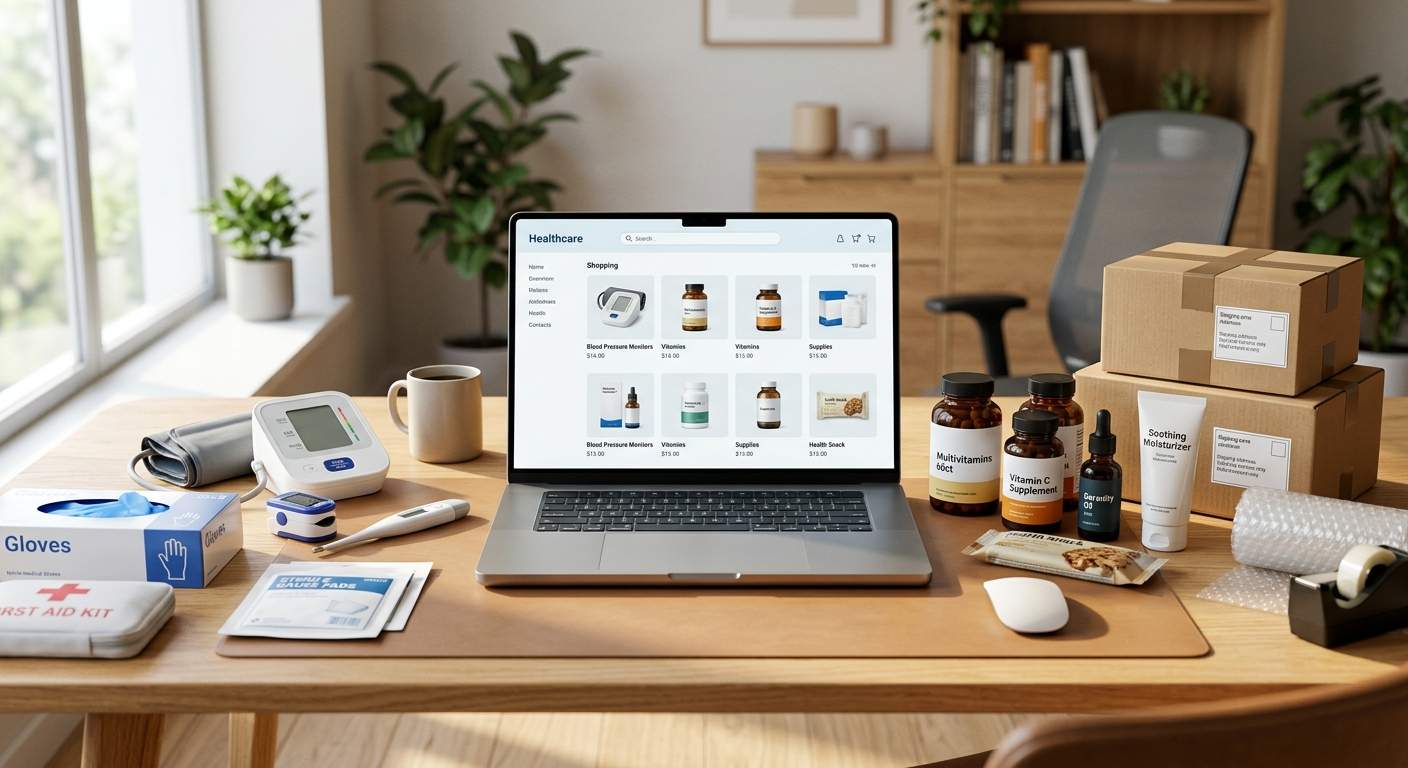

Running a clinic or hospital means juggling patient care with the constant, behind-the-scenes work of keeping supply shelves stocked. Gloves run low during flu season. A shipment of syringes gets delayed. A new device needs FDA-compliant certification before it can even enter the building. This is where Medical Wholesale Suppliers become the quiet backbone of every healthcare facility’s daily operations.
Choosing the right partner for Medical Wholesale Suppliers for Clinics and Hospitals isn’t just a procurement decision — it directly affects patient safety, staff efficiency, and your bottom line. At MedCareDistributor, we’ve spent years watching facilities struggle with unreliable vendors, so this guide walks through exactly what to look for, what to avoid, and how to build a supply chain that actually holds up under pressure.
Why the Right Wholesale Partner Matters
Every clinic and hospital depends on a steady flow of hospital medical supplies and clinic medical supplies — from basic consumables to specialized diagnostic tools. When that flow breaks down, the consequences ripple outward fast: delayed procedures, frustrated staff, and in worst cases, compromised patient outcomes.
A dependable supplier does more than ship boxes. They understand healthcare procurement cycles, anticipate seasonal demand spikes, and maintain the kind of medical supply chain resilience that keeps your facility running even when global logistics hit turbulence. That reliability is exactly why so many administrators now treat supplier selection as a strategic decision rather than a routine purchasing task.
Understanding Medical Wholesale Suppliers
Medical Wholesale Suppliers are companies that purchase medical products in bulk directly from manufacturers and resell them to healthcare facilities at competitive prices. This model benefits everyone: manufacturers move inventory efficiently, and clinics or hospitals gain access to wholesale medical products without the overhead of negotiating dozens of individual manufacturer contracts.
The category is broad. It includes everything from disposable consumables to medical equipment wholesalers who specialize in diagnostic machines, hospital beds, and surgical instruments. Some distributors focus narrowly on a single product line — say, wound care — while others offer a full catalog spanning wholesale medical devices, PPE, pharmaceuticals, and lab supplies.
Understanding this landscape matters because not every supplier fits every facility. A small outpatient clinic has different volume needs than a 400-bed hospital, and matching your organization’s size and specialty to the right vendor is the first real step toward efficient procurement.
How to Choose Reliable Medical Wholesale Suppliers
This is the question most administrators eventually face, and it deserves a structured answer rather than guesswork. How to Choose Reliable Medical Wholesale Suppliers comes down to five core evaluation areas.
1. Licensing and Compliance
Never work with a distributor who can’t produce proof of proper licensing. Licensed medical suppliers operate under state and federal regulations designed to protect patient safety. Ask directly for documentation, and don’t accept vague reassurances.
2. Certification and Quality Standards
Certified medical distributors typically hold accreditations such as ISO certification or membership in recognized healthcare distribution associations. These credentials aren’t just paperwork — they signal a supplier’s commitment to quality assurance in medical supplies at every stage, from warehousing to final delivery.
3. Supplier Verification Process
Before signing any contract, run your own supplier verification. Check business registration, request references from other healthcare clients, and review their track record for on-time delivery. A supplier who hesitates to provide this information is a red flag worth taking seriously.
4. Product Range and Availability
A strong distributor carries enough breadth in healthcare product suppliers categories that you’re not forced to juggle five different vendors for basic needs. Consolidating purchases with one or two trusted partners simplifies invoicing, reduces shipping delays, and often unlocks better bulk pricing.
5. Responsiveness and Support
Emergencies happen. Equipment fails, demand spikes unexpectedly, or a shipment gets lost in transit. The best suppliers offer responsive customer service and flexible reordering options — not a call center that takes three days to respond.
What Makes the Best Medical Wholesale Suppliers in USA Stand Out
The Best Medical Wholesale Suppliers in USA share a few defining traits that separate them from the crowd. First, they maintain domestic warehousing, which shortens delivery windows and reduces the risk of customs-related delays. Second, they prioritize FDA-compliant products, ensuring every item on their shelves meets the regulatory bar required for use in American healthcare settings.
Third — and this is often overlooked — top-tier suppliers invest in relationship management. They assign dedicated account representatives who understand your facility’s specific ordering patterns, rather than treating every transaction as a one-off sale. This kind of consistency builds the trust that long-term trusted wholesale partners are built on.
Facilities researching options in this space often also explore our related guide on Healthcare Wholesale Suppliers in USA, which breaks down regional distribution networks and how they affect delivery timelines across different states.
Bulk Purchasing: Balancing Cost and Practicality
Bulk medical supplies purchasing can meaningfully reduce per-unit costs, but it requires careful planning. Over-ordering ties up capital and storage space; under-ordering risks stockouts during critical periods.
A few practical tips we recommend to facility managers:
- Track usage data over at least two full seasonal cycles before committing to large bulk orders.
- Negotiate flexible reorder terms rather than locking into rigid annual contracts.
- Prioritize bulk purchasing for high-turnover items like gloves, masks, and syringes, while keeping specialty equipment orders smaller and more frequent.
- Ask your supplier about staggered delivery schedules to avoid warehouse overcrowding.
This kind of disciplined approach turns bulk buying from a gamble into a genuine cost-saving strategy.
Finding Trusted Medical Product Distributors
Finding Trusted Medical Product Distributors takes patience, but it doesn’t have to be complicated. Start by asking peer facilities for recommendations — word-of-mouth from other administrators is often more reliable than online reviews alone. Cross-reference any candidate against state licensing boards and professional distribution associations.
It’s also worth reviewing our Medical Product Wholesale Distributors Guide, which walks through a step-by-step vetting checklist for facilities evaluating new vendors for the first time. Combining that structured approach with direct conversations — asking pointed questions about lead times, return policies, and compliance documentation — gives you a far clearer picture than a glossy sales pitch ever will.
Building a Resilient Long-Term Supply Strategy
The healthcare facilities that weather supply disruptions best are the ones that diversify smartly. Relying on a single supplier for every category of product creates unnecessary risk. Instead, consider maintaining a primary partner for the bulk of your medical wholesale suppliers relationship, with a secondary vendor on standby for overflow or emergency needs.
Regularly reviewing supplier performance — on-time delivery rates, product quality, responsiveness — should become part of your facility’s standard operating procedure, not an afterthought handled only when something goes wrong.
Frequently Asked Questions
What should clinics look for when choosing medical wholesale suppliers?
Clinics should verify licensing, certifications, and compliance documentation first. Beyond that, evaluate product range, delivery reliability, and customer support responsiveness. A supplier with transparent pricing and a proven track record with similar-sized facilities is generally a safer long-term choice than the lowest-cost option alone.
Are medical wholesale suppliers cheaper than buying directly from manufacturers?
Yes, in most cases. Wholesale suppliers buy in bulk and pass savings to clinics and hospitals, avoiding the higher costs and minimum order requirements manufacturers often impose. This makes wholesale purchasing more practical for facilities that need varied, smaller-volume orders across multiple product categories.
How can I verify if a medical supplier is FDA-compliant?
Request the supplier’s FDA registration number and check it against the FDA’s public database. Reputable distributors will readily share this information along with product-specific compliance certificates. Hesitation or vague answers to this request is a strong warning sign that the supplier may not meet regulatory standards.
How often should hospitals reorder bulk medical supplies?
Reorder frequency depends on usage volume, storage capacity, and product shelf life. Most hospitals review high-turnover items like PPE and syringes monthly, while specialty equipment is assessed quarterly. Analyzing historical usage data helps establish an accurate, facility-specific reorder schedule that avoids both shortages and overstocking.
Final Thoughts
Choosing among Medical Wholesale Suppliers isn’t a decision to rush. The right partner protects your patients, supports your staff, and keeps operations running smoothly even when the unexpected happens. Focus on licensing, certification, verified track records, and genuine responsiveness — these factors matter far more than a slightly lower price tag from an unproven vendor.
If your clinic or hospital is ready to build a supply chain you can actually depend on, MedCareDistributor is here to help you source certified, compliant, and reliably delivered medical products — reach out today to start the conversation.