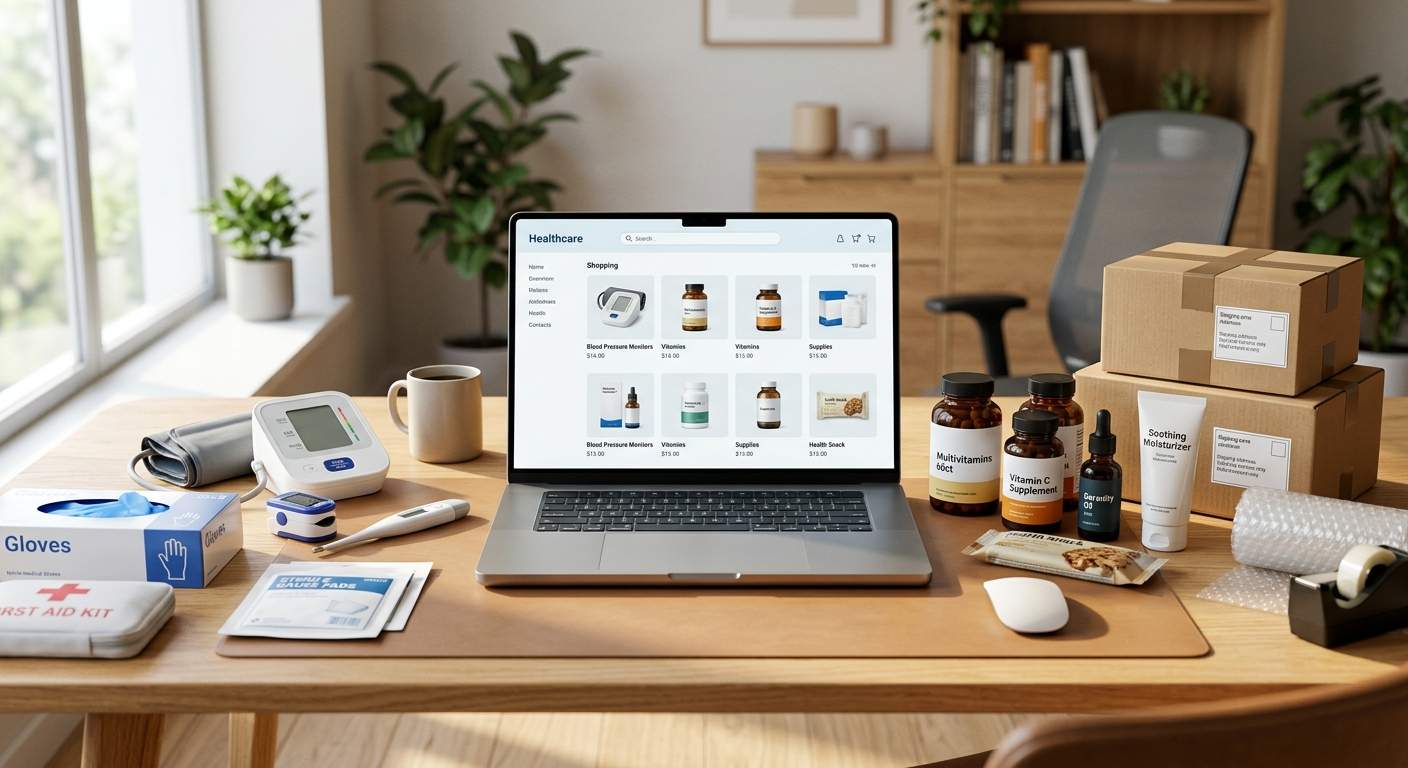

If you’ve ever wondered how a box of gloves or a pallet of wound-care supplies makes it from a factory floor to a clinic shelf, the answer runs through a distributor. Medical Distribution Companies Explained simply: they’re the businesses that buy medical products in bulk, store them, and move them efficiently to the hospitals, pharmacies, clinics, and retailers that need them — often adding compliance checks, logistics, and customer support along the way.
For healthcare buyers, understanding this part of the supply chain isn’t just background knowledge. It directly affects pricing, delivery reliability, and how confidently you can plan around demand.
Medical Distribution Companies Explained: What They Actually Do
At a basic level, a distributor sits between manufacturers and the businesses that ultimately use or resell a product. Their job is to:
- Purchase inventory in bulk directly from manufacturers
- Warehouse products under proper storage conditions
- Manage compliance documentation (FDA registration, licensing, batch traceability)
- Fulfill orders at whatever volume a buyer needs — from a single clinic’s monthly restock to a national retail contract
A distributor like MedCareDistributor typically handles this across multiple categories, from personal protective equipment to general health-and-household essentials, which means buyers can consolidate purchasing instead of managing separate vendor relationships for every product line.
This consolidation is one of the quieter benefits of working with a distributor rather than sourcing directly from dozens of manufacturers. Instead of tracking separate invoices, shipping schedules, and compliance paperwork for every product category, a buyer deals with one relationship that covers the full order. That simplicity becomes more valuable, not less, as a healthcare business grows and its purchasing needs get more complex.
Medical Distribution Companies Explained: Why This Distinction Matters for Buyers
Confusion between distributors and wholesalers is common, and it’s worth clearing up. Medical Wholesale Suppliers typically buy in bulk and resell in smaller bulk quantities, often with less hands-on service. Medical Wholesale Suppliers vs Medical Distributors isn’t really an either/or comparison, but distributors tend to add more logistics support, regulatory guidance, and account-level service on top of the bulk pricing.
This matters most when something goes wrong. A pure wholesaler may point you back to the manufacturer over a damaged shipment or backorder; a full-service distributor is usually set up to resolve it directly. The Benefits of Working with Medical Wholesale Suppliers who operate this way include fewer administrative headaches, more predictable lead times, and a single point of contact for compliance questions.
How the Model Plays Out Across Different Buyers
Distribution isn’t one-size-fits-all. Medical Wholesale Suppliers for Clinics and Hospitals are usually judged on their ability to guarantee recurring orders of consumables without interruption, alongside documentation that holds up in a compliance audit. Medical Supply Wholesalers for Retailers — including pharmacies and e-commerce sellers — tend to prioritize margin, packaging that’s shelf- or listing-ready, and order sizes that flex with seasonal demand.
Smaller practices sometimes assume this kind of service is out of reach, but that’s changing. Medical Suppliers for Small Healthcare Businesses increasingly offer tiered pricing and lower minimum order quantities designed for independent clinics and solo practitioners, not just large institutional accounts.
The common thread across all three buyer types — and the core of Medical Distribution Companies Explained in practical terms — is that the “right” distributor looks different depending on what you’re optimizing for. A hospital system prioritizing supply continuity has different needs than a retailer optimizing for shelf-ready packaging — which is why generic “best supplier” lists are less useful than matching a partner to your specific purchasing profile.
Medical Distribution Companies Explained: What’s Actually Inside a Distributor’s Catalog
Catalogs vary by distributor, but the Top Medical Products Offered by Wholesale Suppliers generally span a few core categories: PPE (gloves, masks, gowns), wound care and first aid, diagnostic tools, mobility aids, and household health essentials like vitamins and over-the-counter remedies. Breadth across these categories is often what separates a true one-stop distributor from a narrower, single-category supplier.
Medical Distribution Companies Explained: Vetting a Distribution Partner Checklist
Not every distributor that shows up in a search is worth your business. How to Choose Reliable Medical Wholesale Suppliers comes down to a handful of checks that experienced buyers run every time — and skipping any one of them is usually how a promising-looking vendor turns into a costly mistake six months later.
- Verify credentials — confirm FDA registration, proper state licensing, and documented quality control processes.
- Check track record — established partners usually have verifiable client references and independent reviews, not just curated testimonials.
- Ask about minimum order quantities — these should scale with your business size, not force overstocking.
- Confirm shipping timelines — consistency matters more than the lowest headline price.
- Start with a trial order — before committing to a larger contract, a smaller first order reveals a lot about packaging quality and communication.
Buyers researching the Best Medical Wholesale Suppliers in USA are comparing exactly these factors: product range, pricing transparency, and fulfillment speed, with domestic warehousing cutting down on the delays that come with overseas-only sourcing. And Finding Trusted Medical Product Distributors ultimately comes down to due diligence — cross-checking registration numbers and talking to existing clients rather than relying on a supplier’s own marketing.
Medical Distribution Companies Explained: The US Market Today
Demand for Healthcare Wholesale Suppliers in USA has grown alongside e-commerce and telehealth, with more buyers sourcing directly online rather than through regional sales reps. This shift has raised the bar: suppliers who once relied on phone-only ordering and vague quotes are increasingly being replaced by ones offering real-time stock visibility and documented lead times. It’s also made wholesale-level pricing more accessible to smaller healthcare businesses that previously couldn’t meet large-account minimums.
This shift has also changed how buyers evaluate distributors. A national footprint and broad catalog matter less than they used to if a supplier can’t back it up with transparent, real-time information about what’s actually in stock. Regional and specialty distributors have used this to their advantage, competing on responsiveness and product knowledge rather than sheer size.
A Quick Reference for First-Time Buyers
If you’re new to sourcing, use this condensed Medical Product Wholesale Distributors Guide as a starting checklist: define your product categories first, shortlist two or three distributors per category, request samples, compare pricing at your actual order volume rather than list price, and only then negotiate terms. Rushing this sequence is one of the most common causes of buyer’s remorse in wholesale purchasing — and it’s exactly the situation Medical Distribution Companies Explained in this guide is meant to help you avoid.
Medical Distribution Companies Explained: Bringing It Back to the Supply Chain
Understanding how distribution companies fit between manufacturers and buyers isn’t just academic — it shapes your costs, your reliability, and your ability to scale. Whether you’re stocking a single clinic or managing inventory across multiple retail channels, the right partner should offer transparent pricing, consistent supply, and terms that actually match your order volume.
If you’re ready to work with a distributor built around that kind of flexibility, MedCareDistributor helps healthcare and retail buyers of every size source quality-checked products without the usual wholesale headaches — which, in short, is what Medical Distribution Companies Explained for the real world looks like in practice.
Frequently Asked Questions
What are medical distribution companies? Medical distribution companies purchase medical products in bulk from manufacturers and supply them to healthcare facilities, retailers, and other businesses, handling warehousing, logistics, and often compliance documentation along the way — in short, that’s Medical Distribution Companies Explained in one sentence.
How do medical distributors differ from wholesalers? Wholesalers typically focus on bulk buying and reselling, while distributors add services like logistics support, regulatory guidance, and customer service — though many companies blend both roles.
How do I know if a medical wholesale supplier is reliable? Check for proper licensing and FDA registration, ask for verifiable client references, review actual shipping timelines, and consider placing a smaller trial order before committing to a large contract.
Can small healthcare businesses access wholesale pricing? Yes. Many suppliers now offer tiered pricing and lower minimum order quantities designed specifically for small clinics, independent pharmacies, and solo practitioners.