
Sourcing dependable medical supplies is one of the most overlooked yet business-critical decisions a healthcare organization makes. Whether you run a small clinic, manage procurement for a hospital network, or stock shelves at a retail pharmacy, the partner you choose to supply your products directly affects patient safety, operational continuity, and your bottom line. This Medical Product Wholesale Distributors Guide breaks down everything healthcare buyers need to know before partnering with medical wholesale suppliers — from evaluating supplier credibility to understanding the difference between wholesalers and distributors.
Medical Product Wholesale Distributors Guide for Healthcare Buyers
The medical supply chain has grown more complex over the past several years. Shortages, shifting regulations, and an expanding number of vendors claiming to offer “wholesale” pricing have made it harder for buyers to separate reliable partners from risky ones. A well-informed purchasing decision protects your organization from stockouts, compliance issues, and inflated costs — which is exactly why understanding this space matters before you commit to a supplier relationship.
Evaluating a Supplier: Medical Product Wholesale Distributors Guide
Knowing How to Choose Reliable Medical Wholesale Suppliers starts with verifying the fundamentals: proper licensing, FDA registration where applicable, and a documented quality-control process. Beyond paperwork, look for suppliers who are transparent about sourcing, offer consistent lead times, and can provide references from other healthcare buyers.
Key Evaluation Criteria
A few factors consistently separate trustworthy partners from the rest:
- Regulatory compliance — valid licenses, registrations, and adherence to storage/handling standards for medical-grade products
- Inventory depth and consistency — the ability to fulfill recurring orders without frequent backorders
- Transparent pricing — no hidden fees or unpredictable price shifts once a contract is signed
- Responsive support — a dedicated account contact for urgent or bulk orders
- Verifiable track record — client testimonials, case studies, or industry longevity
Wholesalers vs. Distributors: Knowing the Difference
Many buyers use these terms interchangeably, but understanding Medical Wholesale Suppliers vs Medical Distributors helps clarify what you’re actually purchasing. Wholesalers typically buy large volumes of product directly from manufacturers and resell at reduced per-unit costs, often without added services. Distributors, on the other hand, usually offer additional layers of support — logistics management, compliance documentation, and sometimes private-label options — bundled into the purchase.
Neither model is universally “better.” The right choice depends on your organization’s order volume, in-house logistics capacity, and how much hands-on support you need from your supply partner. This is where a solid Medical Product Wholesale Distributors Guide becomes useful — Medical Distribution Companies Explained simply: these organizations act as the connective tissue between manufacturers and end users — clinics, hospitals, pharmacies, and retailers. They manage warehousing, order fulfillment, regulatory documentation, and often last-mile delivery.
What Sets Top US Suppliers Apart
Finding the Best Medical Wholesale Suppliers in USA requires more than a quick search — it means comparing product catalogs, delivery networks, and customer service track records across multiple vendors. The strongest Healthcare Wholesale Suppliers in USA typically maintain regional warehouses to reduce shipping times, hold certifications relevant to the products they sell (PPE, diagnostic equipment, disposables), and offer flexible ordering options for both one-time and recurring purchases.
Suppliers vary widely in specialization — some focus heavily on PPE and disposables, others on diagnostic tools or durable medical equipment. Identifying a supplier whose catalog aligns with your specific procurement needs saves time and reduces the number of vendor relationships you need to manage. MedCareDistributor is one example of a US-based supplier structured around exactly this kind of catalog alignment, serving a range of buyer types across the healthcare sector.
Sourcing at Different Scales: Institutions vs. Small Practices
The needs of large institutions differ significantly from those of smaller practices. Medical Wholesale Suppliers for Clinics and Hospitals must be able to handle high-volume, recurring orders while maintaining strict compliance standards, since hospital procurement often involves formal bidding processes, contract terms, and audit trails. Institutional buyers should prioritize suppliers offering dedicated account management, bulk pricing tiers, reliable emergency restocking, and documentation support for compliance audits.
At the other end of the spectrum, Medical Suppliers for Small Healthcare Businesses need to balance competitive pricing with manageable minimum order quantities — a good Medical Product Wholesale Distributors Guide will tell you that large-volume discounts don’t help if a clinic can’t move that much inventory before expiration dates. Look for suppliers who offer scalable order sizes and don’t penalize smaller buyers with excessive fees.
Sourcing Considerations for Retailers
Retail pharmacies and medical equipment stores have their own sourcing priorities, and a good Medical Product Wholesale Distributors Guide covers this well — Medical Supply Wholesalers for Retailers need to support consistent shelf-ready inventory, seasonal demand shifts, and sometimes private-label packaging. Retailers should also weigh how quickly a wholesaler can respond to sudden demand spikes, since running out of commonly requested items can send customers to competitors.
What You Can Typically Source
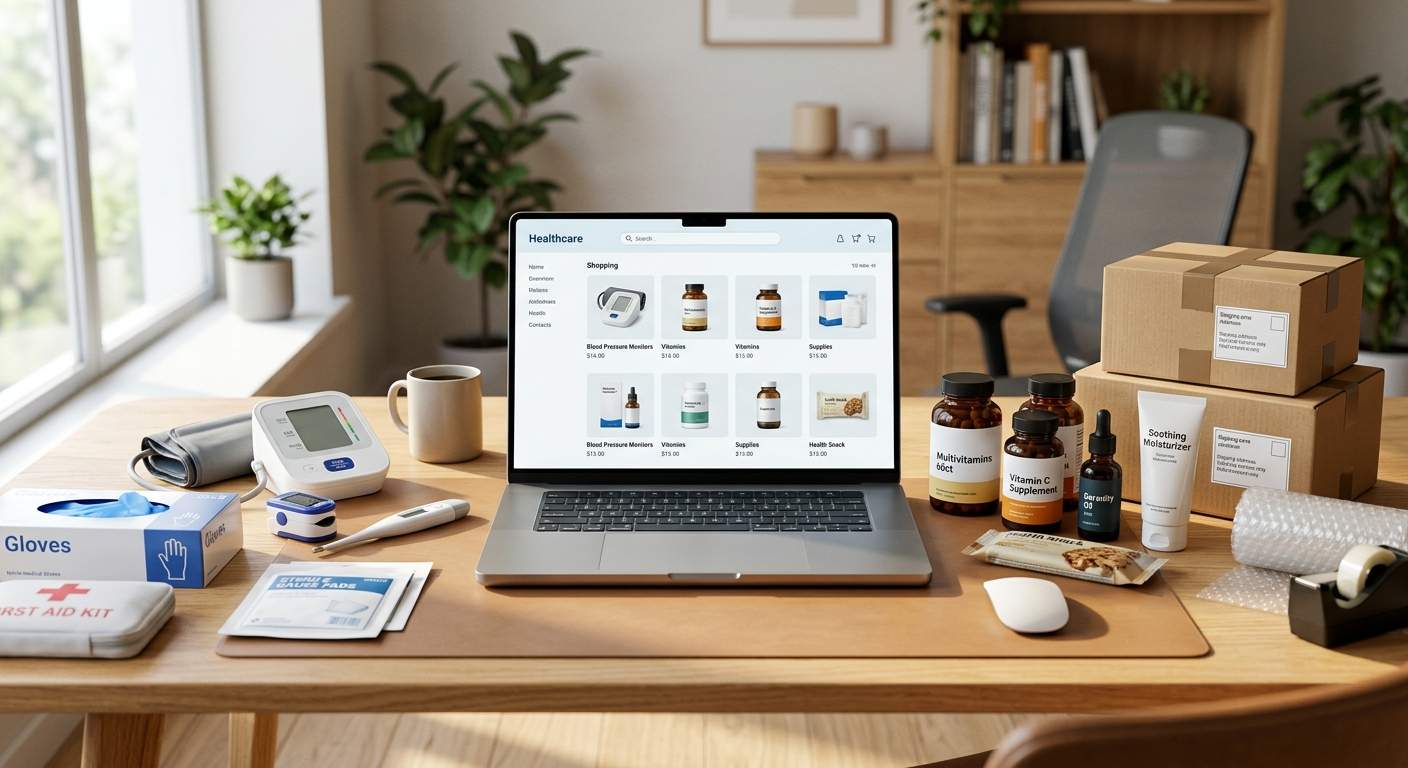
Understanding the Top Medical Products Offered by Wholesale Suppliers helps buyers map out which vendors are worth prioritizing. Common categories include:
- Personal protective equipment (masks, gloves, gowns)
- Diagnostic tools and testing supplies
- Wound care and dressing products
- Mobility aids and durable medical equipment
- Disposable clinical supplies (syringes, swabs, exam table paper)
Most reliable wholesalers carry a broad catalog across these categories, reducing the need to juggle multiple vendor relationships for routine restocking.
Why a Strong Wholesale Relationship Pays Off
The Benefits of Working with Medical Wholesale Suppliers go beyond lower per-unit costs, as any solid Medical Product Wholesale Distributors Guide will confirm. Established wholesale relationships typically bring cost efficiency through volume-based pricing, supply chain stability during periods of high demand, reduced administrative overhead since one vendor can fulfill multiple product categories, and faster restocking cycles that minimize the risk of running out of essential supplies. Over time, these benefits compound — a stable supplier relationship reduces the operational friction that comes with constantly vetting new vendors.
Due Diligence Before You Sign
Finding Trusted Medical Product Distributors ultimately comes down to due diligence: checking licensing, requesting references, reviewing product certifications, and starting with a smaller trial order before committing to a long-term contract. Buyers who skip this vetting process are more likely to run into compliance gaps or inconsistent fulfillment down the line.
A distributor built around documented compliance and consistent fulfillment can support buyers across clinics, hospitals, and retail settings alike — but the vetting principles outlined in this guide apply regardless of which supplier a business ultimately chooses.
Making the Right Choice for Your Organization
There’s no single “best” supplier for every healthcare business — the right fit depends on your order volume, product mix, compliance requirements, and how much support you need beyond the transaction itself. Use the criteria in this Medical Product Wholesale Distributors Guide as a checklist when evaluating potential partners, and don’t hesitate to request samples, references, or trial orders before committing to a long-term agreement.
If your organization is ready to strengthen its supply chain with a partner that understands the demands of clinics, hospitals, retailers, and small healthcare practices alike, MedCareDistributor offers a catalog and support structure built around exactly those needs. Reach out to discuss your procurement requirements and see how a dependable wholesale relationship can simplify your sourcing process going forward.
Frequently Asked Questions
What is the difference between a medical wholesaler and a medical distributor?
A wholesaler typically sells large volumes of product at reduced prices with minimal added services, while a distributor often bundles logistics, compliance support, and account management into the relationship. The right choice depends on how much operational support your organization needs beyond the product itself.
How do I know if a medical wholesale supplier is legitimate?
Check for valid business licensing, relevant regulatory registrations, transparent pricing structures, and verifiable references from existing customers. Legitimate suppliers are typically willing to share compliance documentation upon request.
Are medical wholesale suppliers only for large hospitals?
No. Many wholesale suppliers work with organizations of all sizes, including small clinics, independent practices, and retail pharmacies, often through flexible order minimums and scalable pricing tiers.
What products can I typically source from a medical wholesale supplier?
Most wholesale suppliers carry a broad catalog including PPE, diagnostic tools, wound care supplies, mobility aids, and disposable clinical items — allowing buyers to consolidate multiple sourcing needs with a single vendor.