
Running a small healthcare business — whether it’s an independent clinic, a home-care agency, a diagnostic lab, or a neighborhood pharmacy — means constantly balancing patient care with operational reality. One of the biggest operational challenges is sourcing: where do you get consistent, affordable, and compliant medical supplies without the buying power of a hospital network behind you?
This is exactly where Medical Suppliers for Small Healthcare Businesses come in. The right supplier relationship can mean the difference between a smoothly run practice and one constantly scrambling for backordered gloves, syringes, or diagnostic kits. This guide breaks down everything a small healthcare business owner needs to know about finding, evaluating, and working with the right supply partner.
Sourcing Hurdles: Medical Suppliers for Small Healthcare Businesses
Large hospital systems negotiate supply contracts at scale, often through group purchasing organizations. Small practices don’t have that leverage, yet they face the same regulatory requirements, the same patient expectations, and often the same supply shortages that make headlines during flu season or public health emergencies.
That’s why more independent practices are turning to specialized MedCareDistributor partners — companies built specifically to serve smaller-volume buyers without sacrificing product quality, pricing, or delivery reliability. A distributor that understands the small-practice model can offer flexible order minimums, tiered pricing, and faster restocking cycles than a generic big-box supplier.
Understanding Medical Wholesale Suppliers
At its core, a wholesale supplier purchases medical products in bulk directly from manufacturers and resells them to healthcare providers at a markup that’s still lower than retail. Medical Wholesale Suppliers typically carry a broad catalog spanning PPE, diagnostic tools, wound care, mobility aids, and consumables used daily in clinical settings.
For small businesses, this model is attractive because it removes the need to negotiate directly with dozens of individual manufacturers. Instead, one relationship with a wholesale partner can cover the majority of a clinic’s recurring supply needs.
The Real Benefits of Working with Medical Wholesale Suppliers
The Benefits of Working with Medical Wholesale Suppliers go beyond simple cost savings, though pricing is usually the first thing owners notice. Other advantages include:
- Consistent inventory availability, even during seasonal demand spikes
- Simplified vendor management — one point of contact instead of many
- Access to a wider product range, including newer or specialty items
- Better payment terms, such as net-30 or net-60 invoicing for established accounts
- Compliance support, since reputable wholesalers track lot numbers, expiration dates, and recall notices on your behalf
For a small clinic owner juggling patient care and back-office operations, that last point alone can save hours of administrative work every month.
How to Choose Reliable Medical Wholesale Suppliers
Not every supplier that shows up in a search result is worth a long-term relationship. Knowing How to Choose Reliable Medical Wholesale Suppliers starts with a short evaluation checklist:
- Licensing and accreditation — Confirm the distributor is registered with the FDA and holds any required state wholesale drug or device licenses.
- Product sourcing transparency — Ask where products are manufactured and whether the supplier can provide certificates of analysis or compliance documentation.
- Order flexibility — Small practices need low minimum order quantities, not pallet-sized commitments.
- Customer support responsiveness — A quick answer to a shipping delay question matters more than a flashy website.
- Reputation — Look for verifiable reviews, case studies, or references from similarly sized practices.
Distributors that pass this checklist tend to become long-term partners rather than one-time vendors.
Best Medical Wholesale Suppliers in USA: What Sets Them Apart
When practice owners search for the Best Medical Wholesale Suppliers in USA, they’re usually comparing a handful of factors: catalog breadth, delivery speed, customer service quality, and pricing transparency. The strongest national suppliers typically operate multiple regional warehouses, which shortens shipping times and reduces the risk of stockouts.
It’s also worth noting that “best” looks different depending on your specialty. A dermatology practice has different core needs than an urgent care center or a physical therapy clinic, so the right supplier is often the one whose catalog most closely matches your day-to-day usage patterns — not necessarily the biggest name in the industry.
Medical Wholesale Suppliers for Clinics and Hospitals
While this guide focuses on small businesses, it’s worth understanding how sourcing scales. Medical Wholesale Suppliers for Clinics and Hospitals often maintain separate account tiers — one built around high-volume, contract-based purchasing for hospital systems, and another built around flexible, lower-volume purchasing for independent clinics.
Knowing this distinction helps small business owners ask the right questions upfront: Does this supplier have a program designed for practices our size, or are we going to be treated like an afterthought next to their hospital contracts?
Medical Wholesale Suppliers vs Medical Distributors: Clearing Up the Confusion
The terms are often used interchangeably, but understanding Medical Wholesale Suppliers vs Medical Distributors can help you evaluate vendors more accurately. Generally:
- A wholesale supplier buys in bulk and resells at a markup, often serving a broad range of buyer types.
- A distributor may have deeper manufacturer relationships, sometimes acting as the exclusive or authorized channel for specific brands or product lines within a region.
In practice, many companies operate as both — buying wholesale and distributing directly to healthcare providers. What matters most for a small business isn’t the label, but whether the company can consistently deliver the products you need, when you need them, at a fair price.
Medical Supply Wholesalers for Retailers
It’s not just clinics and hospitals that rely on this supply chain. Medical Supply Wholesalers for Retailers — including independent pharmacies, medical equipment stores, and online health product sellers — depend on the same wholesale relationships to stock shelves competitively. Retailers benefit from many of the same advantages as clinical buyers: bulk pricing, dropshipping options for e-commerce, and access to private-label products that can improve margins.
Top Medical Products Offered by Wholesale Suppliers
Most full-service distributors carry a similar core catalog. The Top Medical Products Offered by Wholesale Suppliers generally include:
- Personal protective equipment (masks, gloves, gowns)
- Wound care and dressing supplies
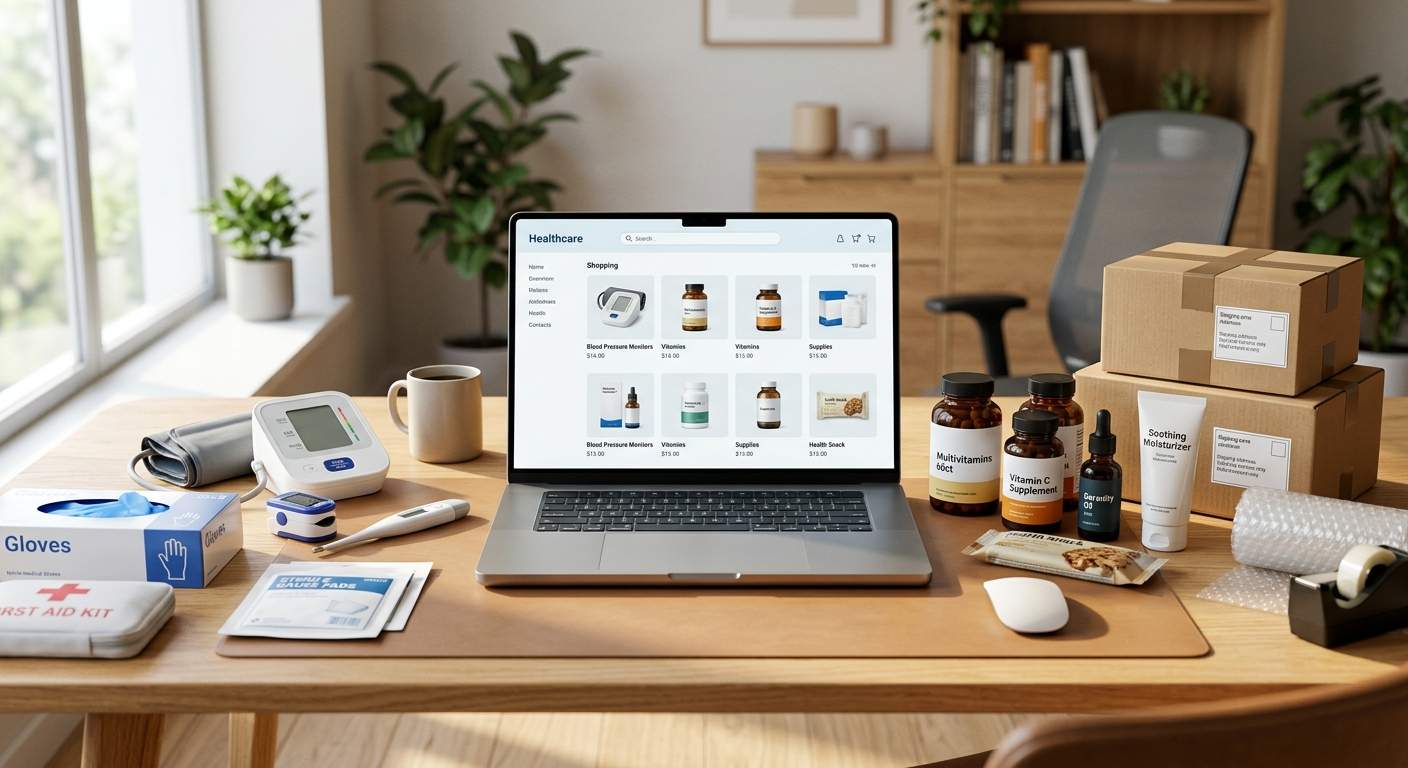
- Diagnostic tools (thermometers, pulse oximeters, BP monitors)
- Mobility aids and durable medical equipment
- Examination room consumables (paper rolls, drapes, tongue depressors)
- Injection and infusion supplies
A supplier with depth across these categories reduces the number of vendor relationships a small practice needs to maintain.
A Practical Medical Product Wholesale Distributors Guide
For business owners new to bulk purchasing, a simple Medical Product Wholesale Distributors Guide can shorten the learning curve considerably. Start by auditing your last twelve months of supply spend to identify your highest-volume items. Then request quotes from two or three shortlisted suppliers for those specific products, rather than the entire catalog. This makes pricing comparisons far more accurate than relying on general advertised discounts.
Healthcare Wholesale Suppliers in USA and Regional Considerations
Location matters more than many buyers expect. Healthcare Wholesale Suppliers in USA with regional distribution centers can often guarantee two-to-three-day delivery, which matters enormously when a clinic runs low on a critical item. When evaluating suppliers, ask directly where their nearest fulfillment center is relative to your practice.
Finding Trusted Medical Product Distributors
Finding Trusted Medical Product Distributors ultimately comes down to due diligence: checking licensing, reading independent reviews, requesting sample orders before committing to a large contract, and confirming return or recall policies in writing. Trust is built through consistent, verifiable performance over several order cycles — not through a single sales pitch.
This is one area where MedCareDistributor has built its reputation, prioritizing transparent sourcing documentation and responsive account support for smaller practices that are often overlooked by larger wholesale operations.
Medical Distribution Companies Explained
At a broader level, Medical Distribution Companies Explained simply means understanding the layers of the supply chain: manufacturers produce the goods, distributors and wholesalers move them at scale, and healthcare providers purchase what they need through direct or online ordering. Some companies compress this chain further by acting as manufacturer, wholesaler, and distributor simultaneously, which can translate into better pricing for the end buyer.
Where MedCareDistributor Fits Into This Picture
Throughout this guide, one theme keeps surfacing: small healthcare businesses need a supply partner that treats them as a priority, not an afterthought. MedCareDistributor was built around that principle — offering flexible ordering, transparent compliance documentation, and a catalog designed for independent practices rather than only large institutional buyers.
Conclusion: Choosing a Supply Partner That Grows With You
Sourcing medical supplies doesn’t have to be a constant source of stress for small healthcare businesses. By understanding the difference between wholesalers and distributors, knowing what to look for in a reliable partner, and prioritizing transparency over the lowest advertised price, practice owners can build a supply chain that actually supports patient care instead of complicating it.
If you’re ready to simplify your sourcing process, reach out to a distributor that understands the specific challenges small practices face — one that can scale with your business as it grows, rather than treating you like a line item in a much bigger account book.
Frequently Asked Questions
1. What should small healthcare businesses look for in a medical supplier? Small practices should prioritize low minimum order requirements, transparent pricing, proper FDA/state licensing, and responsive customer support. A supplier that understands the operational realities of smaller practices — rather than only catering to hospital-scale contracts — is typically the better long-term fit.
2. Are wholesale medical suppliers cheaper than buying directly from manufacturers? Often, yes — especially for practices that don’t purchase in large enough volumes to negotiate directly with manufacturers. Wholesalers aggregate demand across many smaller buyers, which allows them to offer pricing that individual small practices couldn’t access on their own.
3. How can a small clinic verify a medical supplier is legitimate? Check for active FDA registration, applicable state wholesale licenses, and request documentation such as certificates of analysis or compliance records. Independent reviews and references from similarly sized practices are also strong indicators of legitimacy.
4. What’s the difference between a medical wholesaler and a medical distributor? A wholesaler typically buys in bulk and resells at a markup to a wide range of buyers, while a distributor often holds more direct or exclusive manufacturer relationships for specific product lines. Many companies function as both, so the practical difference for buyers usually comes down to service quality and reliability rather than the label itself.