If you’re serious about building a profitable business on Amazon, one decision will shape everything — where you source your products. Finding reliable [wholesale suppliers for Amazon sellers] is not just a starting point; it’s the backbone of a sustainable, scalable operation. The right supplier gives you consistent inventory, healthy margins, and the confidence to grow. The wrong one leaves you with overpriced stock, shipping delays, and shrinking profits.
This guide covers everything you need — from understanding how wholesale works to evaluating suppliers, calculating profitability, and building long-term sourcing relationships that actually hold up.
What Does Buying Wholesale Actually Mean?
Let’s start with the basics. [Buying wholesale] means purchasing products in bulk directly from a manufacturer or authorized distributor at a price significantly lower than retail. You then resell those products at a markup, keeping the difference as your profit.
For Amazon sellers, this model is one of the most powerful available. Unlike retail arbitrage — where you’re hunting clearance racks at physical stores — or dropshipping — where you never actually touch your inventory — [buying wholesale] puts you in full control. You own your stock, you set your pricing strategy, and you manage your fulfillment pipeline.
Most wholesale arrangements come with a minimum order quantity (MOQ), meaning you must purchase a set number of units per order. This upfront investment acts as a natural barrier to entry, keeping casual competitors out and leaving more room for serious sellers.
Why Wholesale Is the Smartest Model for Amazon FBA
Choosing [wholesalers for Amazon FBA] as your primary sourcing strategy comes with advantages that compound over time:
Predictable, calculable margins. Before you ever place an order, you know your cost per unit. Combine that with Amazon’s fee structure and current selling prices, and you can calculate your exact profit margin in advance. Tools like Keepa, Jungle Scout, and Amazon’s own FBA Revenue Calculator make this analysis quick and reliable.
Effortless reordering. Once you’ve established a supplier relationship and confirmed a product sells well, restocking is as simple as placing a repeat order. You’re not starting from scratch each time — you’re building on a proven foundation.
Authentic, legitimate inventory. Purchasing from authorized distributors means you receive genuine products with clean documentation. Amazon has become increasingly strict about authenticity — counterfeit complaints can get listings removed or accounts suspended. Wholesale sourcing protects you from that risk.
Buy Box advantage. Consistent, reliable inventory helps you maintain stable pricing and strong seller metrics — two key factors in winning and holding the Buy Box, which drives the majority of Amazon sales.
Long-term supplier partnerships. As your order volume grows, you gain leverage to negotiate better pricing, priority stock access, and flexible payment terms. Wholesale is a relationship-based model — the longer you work with a supplier, the more value you extract.
How to Find Wholesalers That Match Your Business
Understanding [how to find wholesalers] is where most new Amazon sellers hit a wall. There’s no single database that lists every legitimate supplier — but there are several proven methods that consistently work.
Wholesale Directories
Platforms like SaleHoo, Wholesale Central, Worldwide Brands, and ThomasNet maintain curated lists of verified wholesalers across hundreds of product categories. These are great starting points, especially when you’re new and don’t yet have an industry network to lean on.
Direct Brand Outreach
Go straight to the source. Visit a brand’s official website and look for a “Wholesale,” “Trade,” or “Become a Retailer” section. Many brands are actively looking for reliable Amazon sellers to help move volume, and going direct often means better pricing than through a middleman distributor.
Trade Shows and Industry Expos
Events like ASD Market Week in Las Vegas, MAGIC, and category-specific expos connect you with hundreds of wholesalers in a single venue. You can evaluate product quality in person, negotiate face-to-face, and build relationships that often lead to preferential treatment down the line.
Manufacturer Referrals
If a manufacturer doesn’t sell wholesale directly, ask them for referrals to their authorized distributors. These leads are valuable — the brand already vets the distributors, and they typically offer the most competitive pricing outside of going direct.
Medcare Distributor
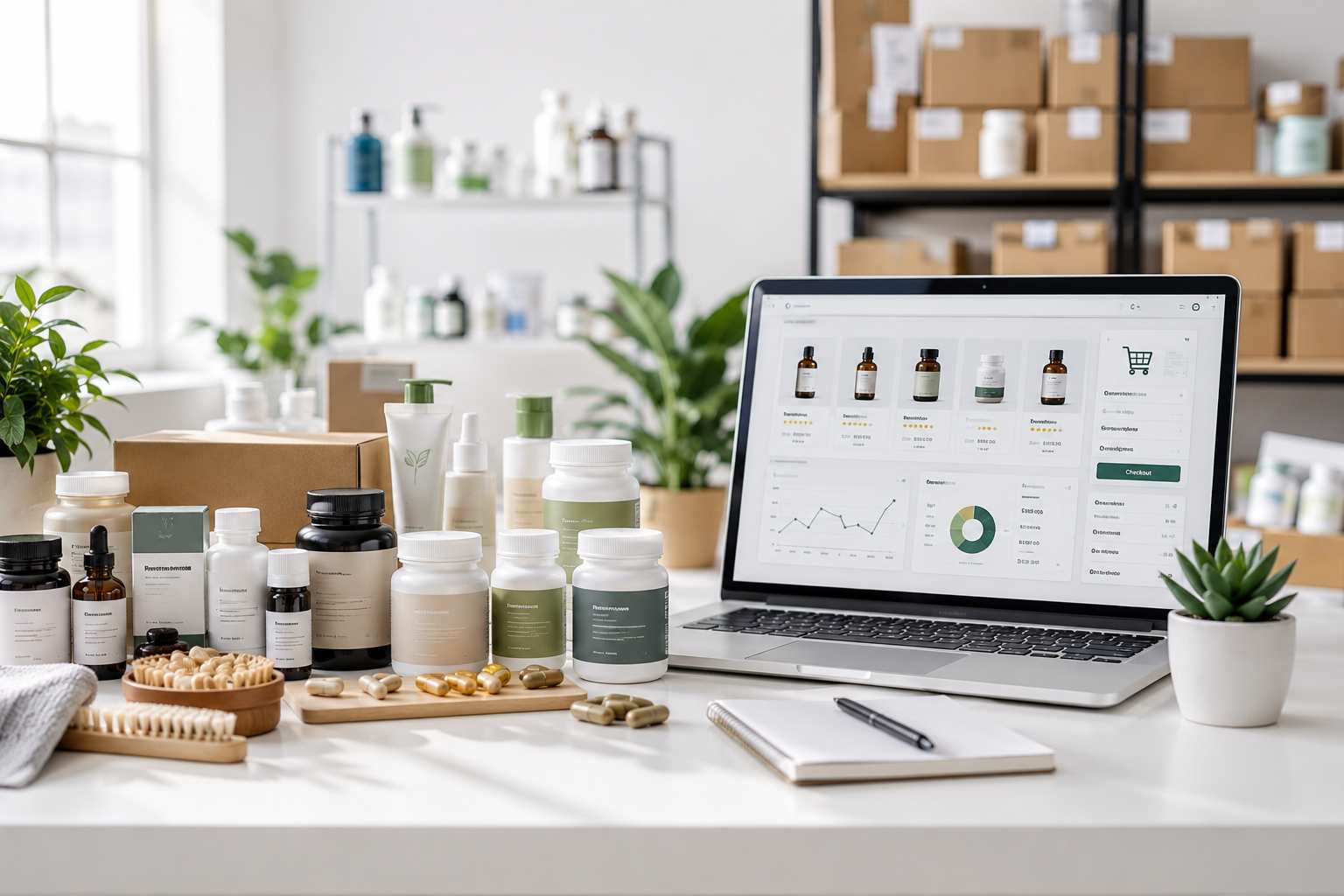
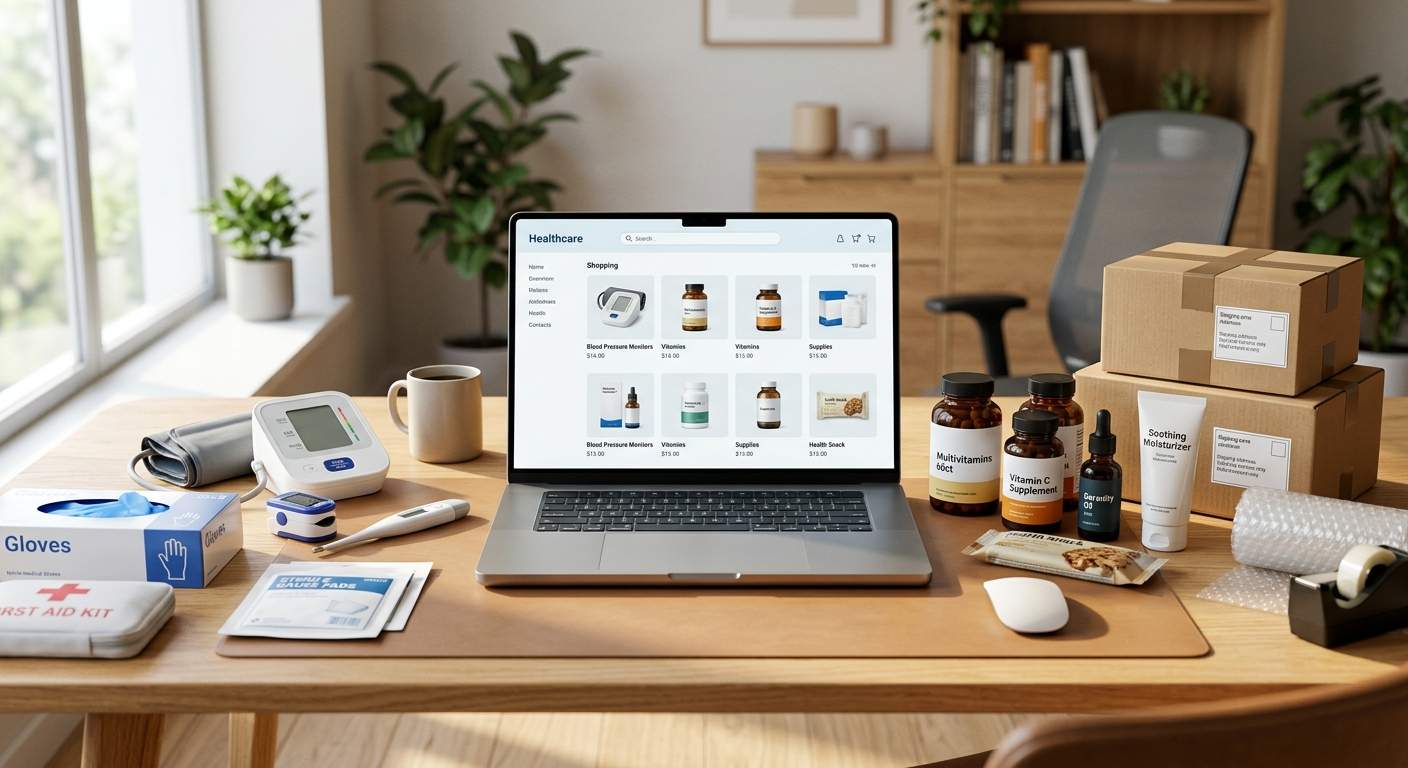
For Amazon sellers operating in the medical supply, healthcare, or wellness space, [medcaredistributor.com] is a specialized wholesale partner built specifically for resellers. Rather than navigating generic directories and hoping products meet compliance requirements, Medcare Distributor provides verified, Amazon-ready inventory with the documentation and standards that healthcare categories demand. If you’re sourcing [wholesale items for resale] in this niche, working with a dedicated distributor saves significant time and reduces risk.
How to Buy Wholesale: A Step-by-Step Process
Once you’ve identified potential suppliers, here’s exactly [how to buy wholesale] in a structured, low-risk way:
Step 1: Set Up Your Business Properly. Before approaching any legitimate wholesaler, you need a registered business entity, a reseller certificate (sales tax permit), and an EIN. Wholesalers require these documents — if a supplier doesn’t ask, that’s actually a red flag.
Step 2: Research and Shortlist Suppliers. Build a list of 8–12 potential suppliers in your chosen niche. Check their reputation through online reviews, Amazon seller forums, and the Better Business Bureau. Ask for references if possible.
Step 3: Request Catalogs and Pricing Sheets. Contact each supplier and request their wholesale catalog, pricing list, and MOQ requirements. Pay close attention to payment terms — Net 30 or Net 60 terms can significantly help your cash flow as you scale.
Step 4: Order Samples Before Committing. Never place a bulk order without first testing the product. Evaluate quality, packaging, and how well the item will photograph for an Amazon listing. A product that looks mediocre in photos will underperform regardless of how competitive your price is.
Step 5: Run a Full Profitability Analysis. Factor in your wholesale cost, Amazon referral fees, FBA fulfillment and storage fees, inbound shipping, and any prep costs. Aim for a minimum 30% ROI — more for seasonal or trend-driven products that carry higher risk.
Step 6: Place a Conservative First Order. Start smaller than you think you need to. Confirm the product sells at the velocity you projected, the supplier ships accurately and on time, and the quality is consistent before scaling up.
Step 7: Build the Relationship Pay invoices on time, communicate clearly, and treat your suppliers as long-term partners. Sellers who do this consistently earn better pricing, first access to new inventory, and flexibility during supply crunches.
Choosing the Right Wholesale Items for Resale
Not everything available at wholesale pricing is a smart buy for Amazon. Evaluating [wholesale items for resale] requires a disciplined, data-driven approach:
Best Seller Rank (BSR): Look for products with a BSR under 100,000 in the main category. This signals consistent demand without being so popular that competition is overwhelming.
Price History: Use Keepa to review a product’s price history over 90–180 days. Avoid products with dramatic price swings — these usually indicate repricing wars that destroy margins.
Seller Count: Too many sellers on a single listing means constant competition for the Buy Box. Ideally, look for listings with fewer than 10 active sellers where you can compete meaningfully.
Category Restrictions: Some categories require Amazon approval before you can list. Verify you’re eligible — or can become eligible — before purchasing inventory.
Brand Gating: Certain brands restrict who can list their products on Amazon. Always confirm with your supplier whether their products are gated, and whether they can provide an authorization letter if needed.
Red Flags to Avoid When Sourcing Wholesale
Protect yourself by staying alert to these warning signs:
- A supplier who doesn’t require a reseller certificate — legitimate wholesalers always do
- Prices that seem impossibly low — often a sign of counterfeit or grey-market goods
- No verifiable physical address or business registration
- Pressure to pay via wire transfer with no buyer protection
- Vague or missing return and defective product policies
When in doubt, verify through multiple independent sources before placing any order.
FAQ
Q: How do I find wholesalers in specialized categories like medical supplies?
[How to find wholesalers] in niche categories requires going beyond general directories. For healthcare and medical products, work with specialized distributors like [medcaredistributor.com] who understand Amazon’s compliance requirements and provide properly documented, verified inventory.
Q: How much money do I need to start buying wholesale?
[Buying wholesale] for Amazon typically requires $500–$3,000 for a first order, depending on the product category and supplier MOQ. Start conservatively, validate that the product sells at your projected margins, then increase your order size with confidence.
Q: What wholesale items for resale perform best on Amazon long-term?
Products with recurring demand consistently outperform one-time purchases. [Wholesale items for resale] in healthcare, wellness, personal care, and household consumables tend to generate steady, repeat sales with lower return rates — making them ideal for building a stable, long-term Amazon business.
Final Thoughts
Building a profitable wholesale business on Amazon takes the right strategy, the right suppliers, and a commitment to data-driven decisions. Start with a clearly defined niche, vet your suppliers thoroughly, and treat every order as a learning opportunity.
For sellers in the healthcare and medical space, [medcaredistributor.com] offers a direct path to verified, compliant [wholesale suppliers for Amazon sellers] — so you can spend less time sourcing and more time scaling.