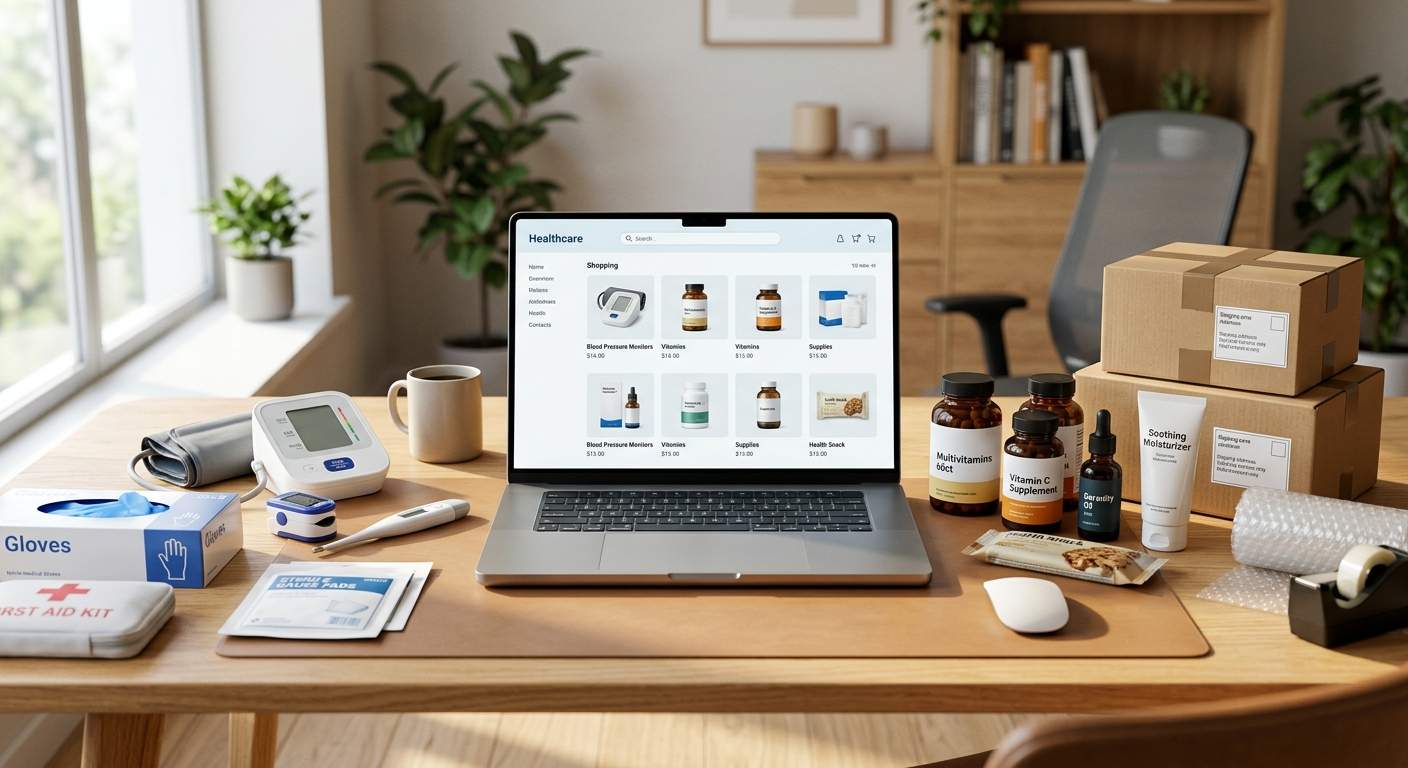

Every clinic, hospital, pharmacy, and retail health business eventually asks the same question: should we buy from a wholesale supplier or a distributor? The terms are often used interchangeably, but understanding the real distinction between Medical Wholesale Suppliers vs Medical Distributors can save your business time, money, and unnecessary supply chain headaches.
Whether you’re stocking a small clinic or managing procurement for a multi-location healthcare network, choosing the right sourcing partner directly affects your pricing, product availability, and long-term reliability. This guide breaks down everything you need to know, from core definitions to practical buying advice.
Understanding the Basics: What Sets Suppliers Apart from Distributors
Before comparing the two models directly, it helps to understand what each one actually does.
What Is a Medical Wholesale Supplier?
Medical wholesale suppliers typically purchase medical products in bulk directly from manufacturers and resell them at reduced per-unit prices to healthcare providers, retailers, and resellers. They usually focus on volume, competitive pricing, and a broad product catalog that spans multiple categories, from PPE to diagnostic tools.
What Is a Medical Distributor?
A medical distributor often plays a more specialized logistical role, managing warehousing, inventory forecasting, regulatory compliance, and last-mile delivery for manufacturers. Distributors frequently maintain exclusive agreements with specific brands and may offer more tailored account management for large institutional buyers like hospital systems.
Key Differences Between Suppliers and Distributors
Medical Distribution Companies Explained in simple terms: distributors tend to operate as an extension of the manufacturer’s sales and logistics arm, while wholesale suppliers act more independently, aggregating products from multiple manufacturers to offer buyers a one-stop sourcing solution.
The practical differences usually come down to:
- Pricing structure: Wholesalers often provide lower bulk pricing; distributors may offer manufacturer-backed pricing tiers.
- Product range: Wholesalers typically carry a wider mix of brands and categories.
- Relationship type: Distributors may require minimum order commitments tied to specific brands, while wholesalers offer more flexibility.
- Speed to market: Wholesale suppliers can often fulfill smaller, more frequent orders faster.
For many buyers, the smartest approach isn’t choosing one exclusively, but understanding which model fits which purchasing need.
Choosing the Right Sourcing Partner
How to Choose Reliable Medical Wholesale Suppliers comes down to a handful of criteria that separate trustworthy partners from risky ones:
- Verified certifications and regulatory compliance (FDA registration, ISO certifications where applicable)
- Transparent pricing with no hidden fees
- Consistent stock availability and short lead times
- Positive reviews from other healthcare or retail buyers
- Responsive customer service and dedicated account support
A supplier that checks all five boxes is far more likely to become a long-term, dependable partner rather than a one-time transaction.
What Makes a Wholesale Supplier Stand Out in the USA
The Best Medical Wholesale Suppliers in USA share a few common traits: broad inventory depth, fast domestic shipping, and strong relationships with Amazon FBA and Walmart WFS sellers who depend on consistent restocking. Buyers should look beyond price alone and evaluate fulfillment speed, order accuracy, and the supplier’s ability to scale with seasonal demand spikes.
MedCareDistributor, for example, has built its catalog around exactly these priorities, giving healthcare resellers a dependable source for high-turnover products.
Serving Clinics and Hospitals with Bulk Medical Supplies
Medical Wholesale Suppliers for Clinics and Hospitals need to meet a different bar than suppliers serving general retail. Clinical environments require strict adherence to expiration date tracking, sterile packaging standards, and often same-week delivery for consumables like gloves, masks, and diagnostic strips.
Hospitals in particular benefit from suppliers who can support bulk institutional orders while still maintaining product traceability for compliance audits.
Sourcing Solutions for Retailers and Resellers
Medical Supply Wholesalers for Retailers serve a different customer entirely: pharmacies, online sellers, and brick-and-mortar health stores looking to stock shelves profitably. These buyers prioritize margin flexibility, minimum order quantities that fit smaller storefronts, and fast reorder cycles to avoid stockouts on best-selling items.
Popular Product Categories Available Through Wholesale Channels
The Top Medical Products Offered by Wholesale Suppliers typically span several core categories:
- Personal protective equipment (masks, gloves, gowns)
- Wound care and first-aid supplies
- Diagnostic tools (thermometers, pulse oximeters, blood pressure monitors)
- Mobility aids and daily living assistance products
- Over-the-counter health and wellness items
A supplier with strength across all these categories reduces the need to juggle multiple vendors, simplifying procurement considerably.
What to Expect When Working with a Distribution Partner
A solid Medical Product Wholesale Distributors Guide should walk buyers through onboarding steps, minimum order requirements, payment terms, and return policies before the first purchase is made. Buyers who ask these questions upfront avoid surprises later, especially around freight costs and backorder handling during high-demand periods.
Why Businesses Choose Wholesale Partnerships
The Benefits of Working with Medical Wholesale Suppliers go beyond just lower unit costs. Businesses gain:
- Access to a wider product catalog under one account
- Simplified logistics through consolidated shipping
- Better negotiating leverage as order volume grows
- Faster onboarding compared to manufacturer-direct accounts
For growing healthcare resellers, these advantages often translate directly into improved margins and fewer supply chain disruptions.
Industry Trends Shaping the US Healthcare Supply Market
Healthcare Wholesale Suppliers in USA are increasingly investing in e-commerce integrations, allowing Amazon FBA and Walmart WFS sellers to place orders with real-time inventory visibility. This shift reflects broader demand for faster, more transparent B2B purchasing experiences across the wholesale health products sector.
How to Vet a Distributor Before Signing a Contract
Finding Trusted Medical Product Distributors requires more diligence than a quick online search. Buyers should request references, review third-party ratings, and confirm a distributor’s compliance history before committing to a long-term contract. A short trial order is often the safest way to evaluate service quality before scaling up.
Supporting Small Clinics and Independent Healthcare Businesses
Medical Suppliers for Small Healthcare Businesses need to offer lower minimum order thresholds and flexible payment terms, since smaller clinics and independent pharmacies rarely have the purchasing power of large hospital networks. The right supplier understands this and structures pricing tiers accordingly, rather than applying a one-size-fits-all model.
Making the Right Choice for Your Business
Ultimately, the decision between a wholesale supplier and a distributor depends on your business size, order frequency, and product mix. Larger institutions with brand-specific needs may lean toward distributor relationships, while growing retailers, resellers, and clinics often benefit more from the flexibility and breadth that wholesale suppliers provide.
MedCareDistributor works with businesses across this entire spectrum, offering both the product depth of a wholesale supplier and the reliability healthcare buyers expect from a trusted distribution partner.
Conclusion: Partner with a Supplier You Can Trust
Choosing between medical wholesale suppliers and medical distributors doesn’t have to be complicated once you understand what each model offers. Focus on your order volume, compliance needs, and growth plans, then choose a partner who can scale alongside your business.
Ready to simplify your medical product sourcing? Reach out to MedCareDistributor today to explore wholesale pricing, product catalogs, and dedicated account support built for clinics, retailers, and healthcare resellers alike.
Frequently Asked Questions
What is the main difference between a medical wholesale supplier and a medical distributor?
A wholesale supplier buys in bulk from multiple manufacturers and resells at reduced prices across a broad catalog, while a distributor usually manages logistics and inventory for specific manufacturer brands under more formal agreements.
How do I know if a medical wholesale supplier is reliable?
Check for regulatory certifications, transparent pricing, consistent stock availability, and verified customer reviews. A trial order is a low-risk way to test service quality before committing to a larger contract.
Are medical wholesale suppliers suitable for small clinics?
Yes. Many wholesale suppliers offer flexible minimum order quantities and tiered pricing designed specifically for smaller healthcare businesses and independent clinics.
What products can I typically buy from a medical wholesale supplier?
Most wholesale suppliers carry PPE, wound care supplies, diagnostic tools, mobility aids, and over-the-counter health products, often all under one account for simplified ordering.